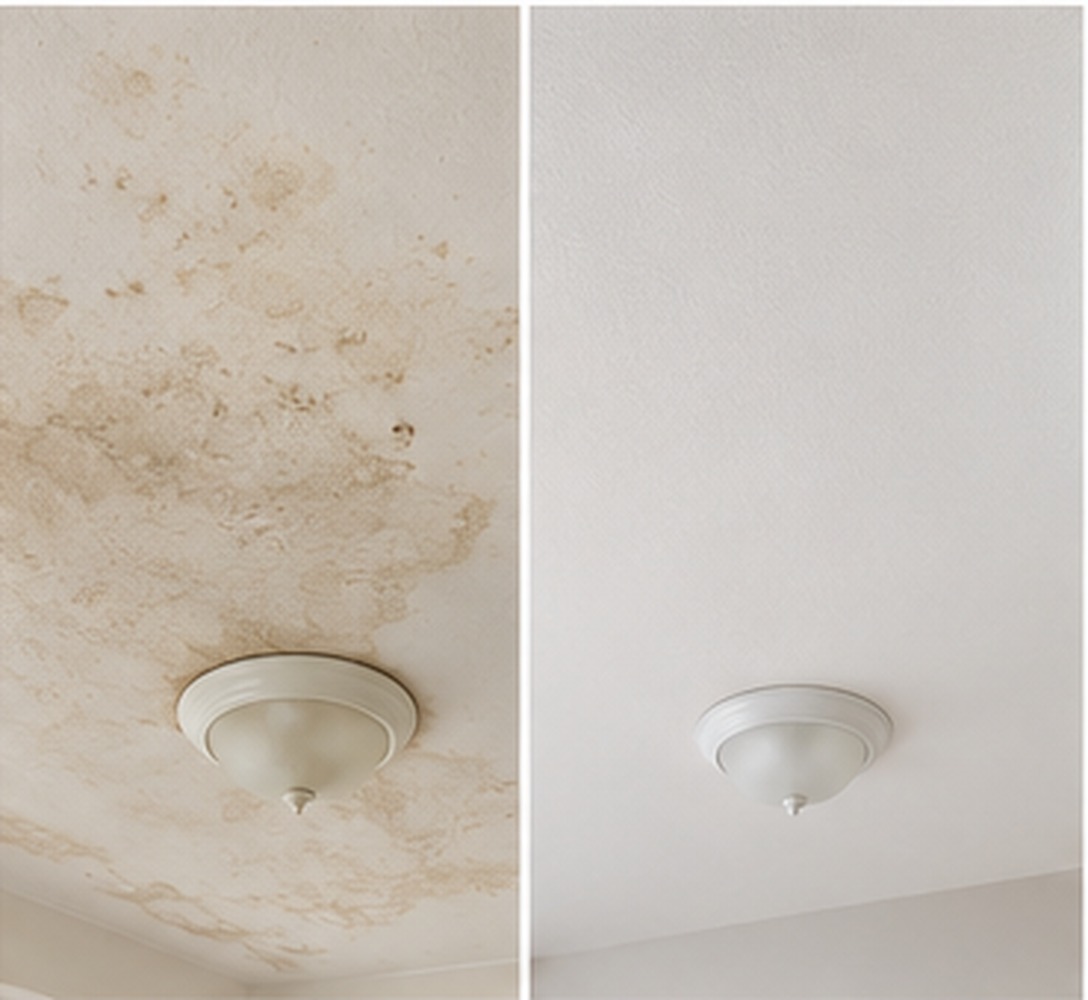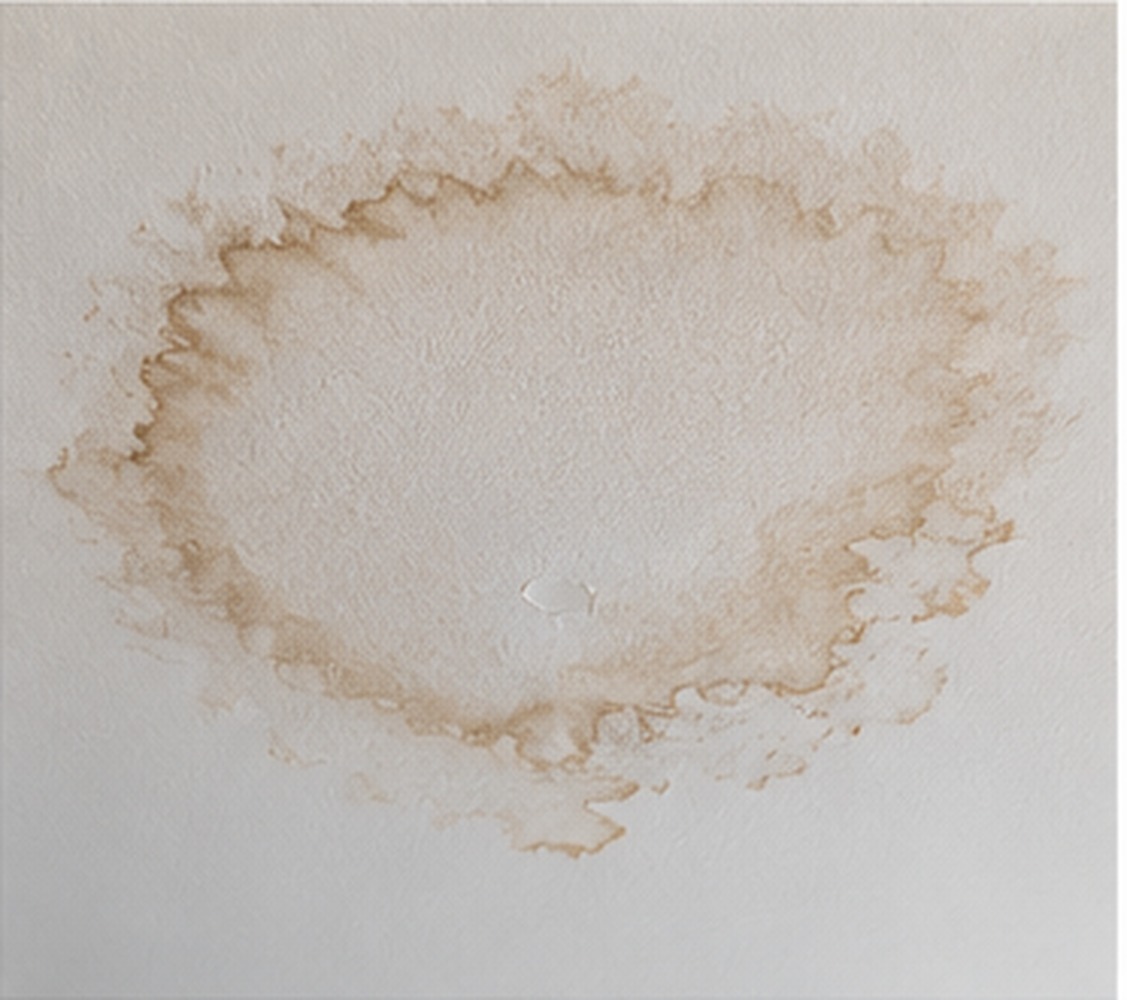
A brown ring on the ceiling is rarely just a stain — it's a receipt for water that came from somewhere and went somewhere. Before you paint over it (please don't), it helps to understand what's happening above the drywall and which signs mean "call someone today."
Common sources of ceiling water damage
- Plumbing leaks from a bathroom, kitchen or laundry above — often the supply line, drain or a failed seal.
- Roof and flashing failures that let rain track along framing before it shows up far from the actual entry point.
- Condensation and ventilation issues, especially around bathrooms and in poorly vented attics in cold Canadian winters.
- Ice dams, where snow melts, refreezes at the eaves and forces water back under shingles.
What's urgent and what can wait
A sagging or bulging ceiling, water actively dripping, or a soft spongy patch is urgent — that's saturated drywall that can let go. A faint dry stain that hasn't changed in months is less of an emergency, but it still means water reached your ceiling at least once and the cause should be confirmed.
Why you can't just paint over it
Two reasons. First, the water has a source, and if it's still active the stain will return and the damage will spread. Second, water stains bleed through ordinary paint — without a proper stain-blocking primer, the ring reappears within weeks. A real repair finds the source, dries the area, replaces compromised board, then stain-blocks and repaints.
How the repair is done
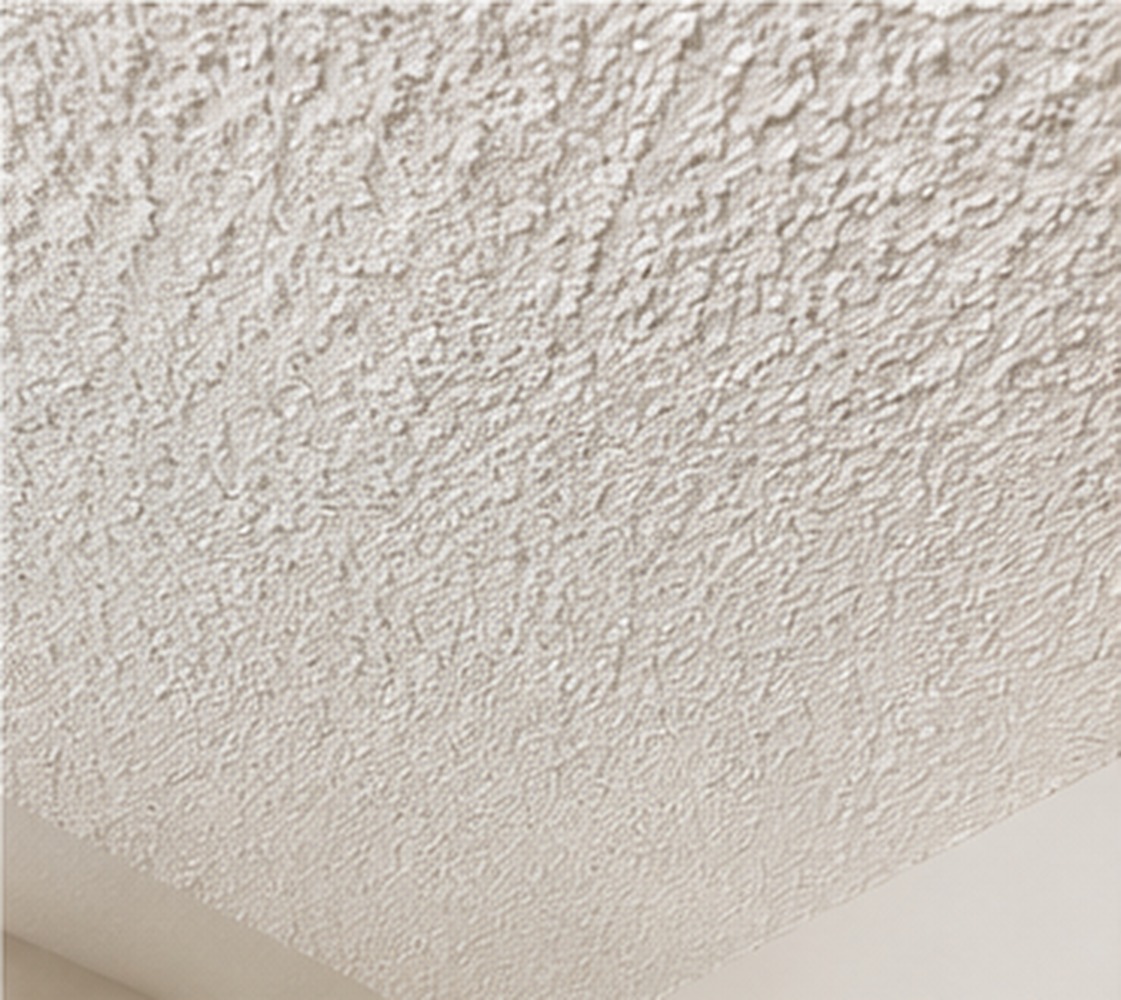
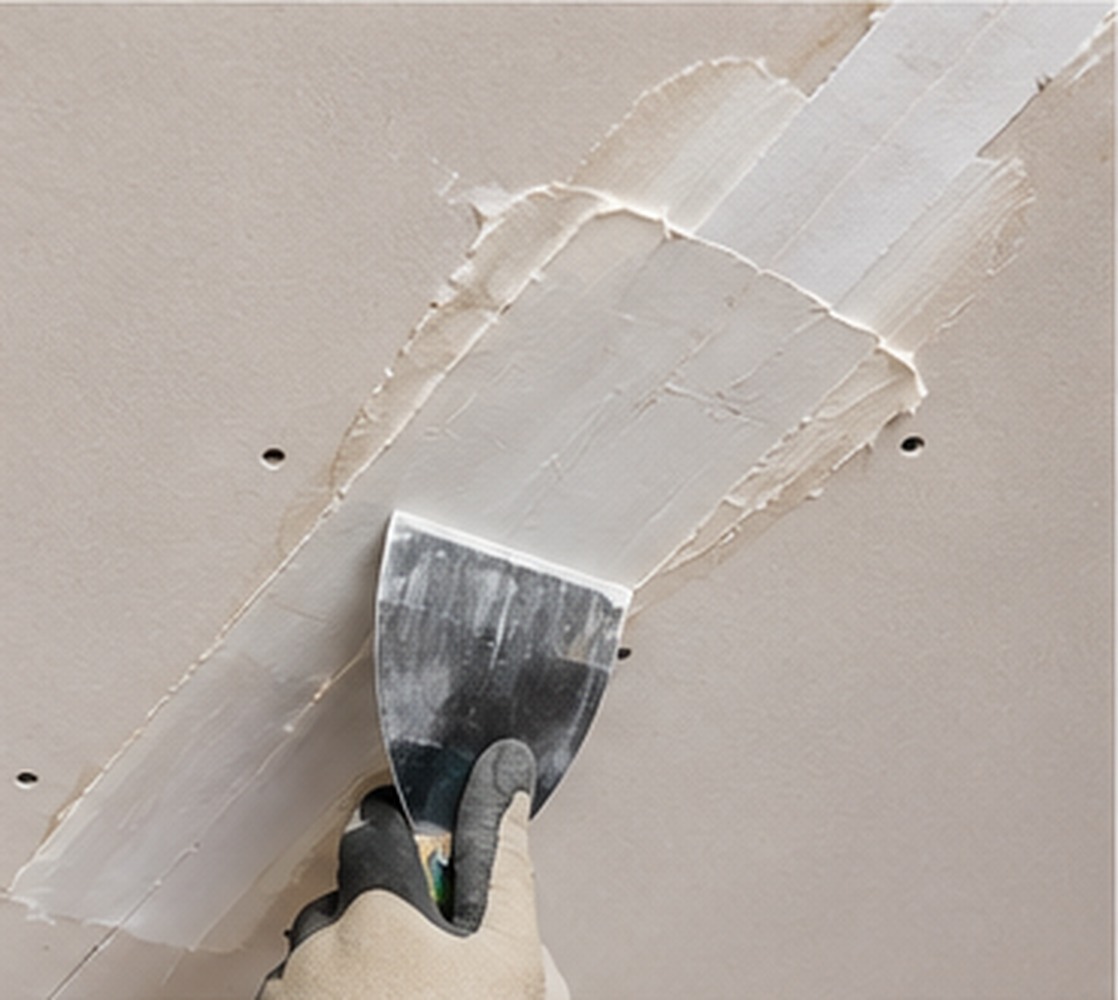
A good pro confirms the leak source first, takes moisture readings, removes wet drywall, lets the cavity dry, installs and finishes new board, then primes with a stain blocker and repaints so nothing bleeds back through. Skipping the drying step is the most common shortcut — and the most common reason damage returns.
Key takeaways
- A stain means water arrived from a source that should be confirmed, not just hidden.
- Sagging, dripping or spongy drywall is urgent — it can fail.
- Painting over a stain without stain-blocking primer lets it bleed back through.
- A proper repair dries the cavity before new board goes up.
Frequently asked questions
Is a water-stained ceiling dangerous?
A dry, stable stain is mostly cosmetic, but a sagging, bulging or spongy ceiling can collapse and should be looked at promptly. Persistent moisture can also lead to mould.
Can I just paint over a water stain?
Only after the leak is fixed and the area is dry — and only with a stain-blocking primer first. Regular paint alone will let the stain bleed back through.
How do I find where the leak is coming from?
Water often travels along framing before it shows, so the stain isn't always under the source. A pro uses moisture meters and inspects plumbing, roof and ventilation to trace it.
Get this fixed by a vetted pro
Tell us about your ceiling and we'll match you with a local pro — free, in about a minute.
Get my free quote →